Soaking is a texture step
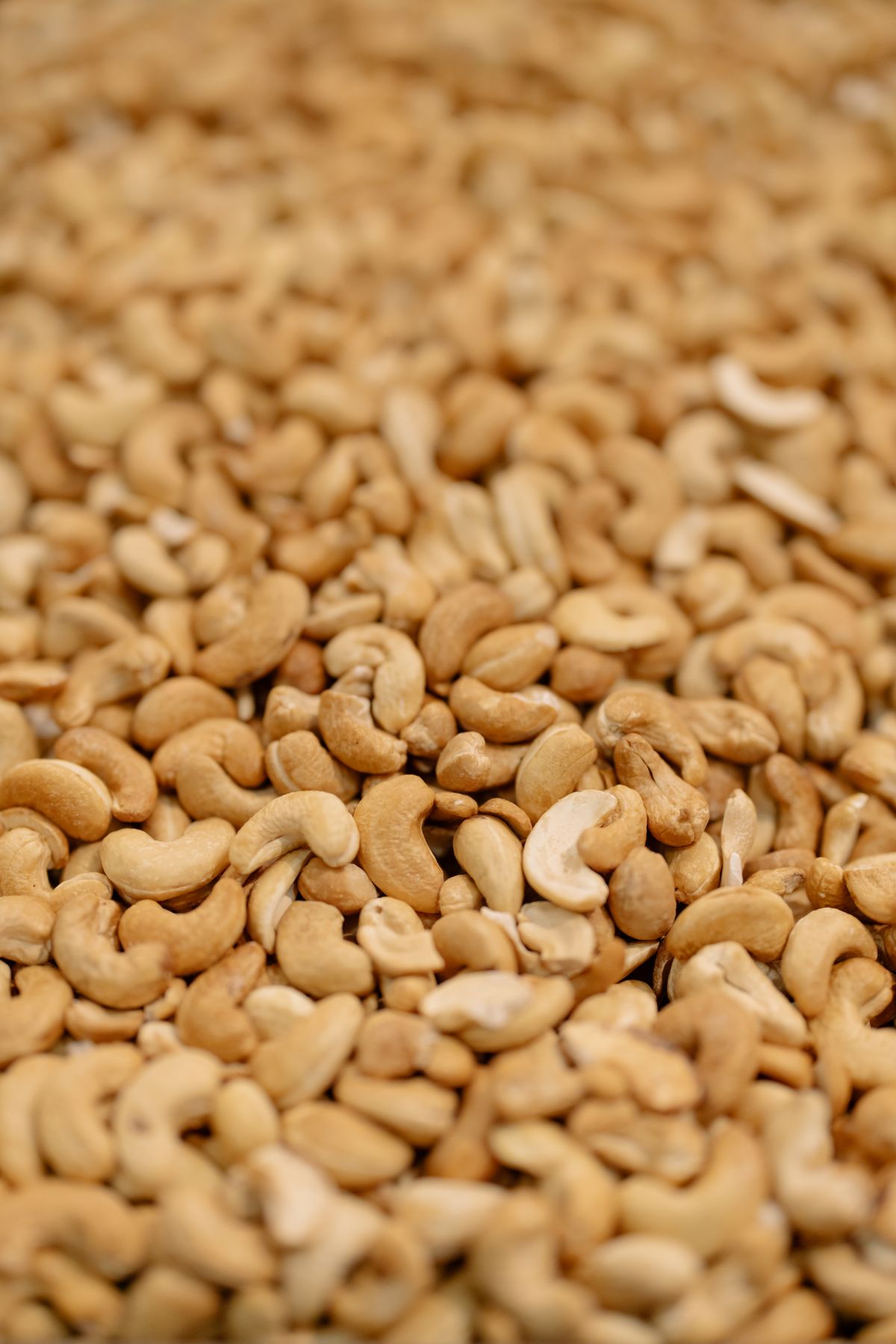
Soaking softens cashews so they blend more readily into a creamy base. It does not turn every blender into a high-powered machine, and it is not a sterilising process. Use fresh nuts, clean equipment and a refrigerated soak. The two-hour minimum is included in the total time; firmer cashews may benefit from a longer soak.
Raw, unsalted cashews give a mild flavour. Roasted salted cashews create a stronger, more savoury drink and should not be substituted without adjusting expectations. The vanilla is intended to be noticeable, while the nut flavour remains soft rather than toasted.
Check the base before adding ice cream
Once the frozen dessert is in the jug, the mixture thickens and becomes harder to strain. Blend and assess the cashew-oat base first. Rub a small drop between clean fingers or taste it to check whether large particles remain. Some very fine texture is normal in a home-blended nut drink.
The ice cream contributes sweetness as well as coldness, so maple syrup is optional. Choose a dairy-free product that suits the people being served, including any cross-contact requirements. Vanilla-flavoured frozen desserts can contain milk even when their packaging looks plant-focused, so read the actual ingredient and allergen information.
Choose a realistic route for your blender
A high-powered jug blender can usually process soaked cashews more finely than a small low-powered personal blender. If yours leaves obvious grit after a reasonable blend, stop and reassess instead of running it until the mixture becomes hot. The cashew-butter variation may suit that machine better. It is a practical substitution, not an inferior shortcut.
If straining the base, use a clean fine sieve or a food-safe nut-milk bag and collect the liquid in a clean bowl. Straining removes some cashew solids, so the drink will be lighter. Do not compensate automatically with another handful of nuts, which simply restarts the same texture problem. Continue with the measured ice cream and judge the final drink.
Soak only the amount of nuts you intend to use. Keep the container covered in the fridge, drain before blending and discard the soaking water. If the nuts smell or look spoiled, do not use them. Soaking is intended to soften a fresh ingredient; it cannot make an unsuitable ingredient safe.
Vanilla extract varies in strength. Start with the stated half teaspoon and let the frozen dessert contribute its own vanilla before adding more. A strong extract can taste alcoholic or harsh when overused in an uncooked drink. If you prefer a simpler nut flavour, reduce the extract rather than adding more maple syrup to cover it.
What you'll need
- 60 g raw unsalted cashews
- 220 ml unsweetened oat drink
- 100 g dairy-free vanilla ice cream
- 1/2 tsp vanilla extract
- 1 tsp maple syrup, optional
Let's make it
- Cover the cashews with cold water and soak in the fridge for at least two hours. Drain and rinse; discard the soaking water.
- Blend the soaked cashews with the oat drink until very smooth, pausing to check for coarse pieces. A high-powered blender gives the finest result.
- Add dairy-free ice cream, vanilla and optional maple syrup. Blend briefly to combine without melting the ice cream excessively.
- Pour into two glasses and serve. If the texture remains grainier than you enjoy, strain the cashew base before adding the ice cream next time.
Make it your own
Cashew butter can simplify the method: use 40 g smooth unsalted cashew butter and skip soaking, then adjust liquid if necessary.
A suitable soy drink can replace oat drink, introducing soy as an allergen while removing the oat ingredient.
Keeping it fresh
Keep soaking cashews refrigerated at 5°C or below and use within 24 hours. Serve the finished shake immediately. Do not keep used soaking water or add it to the drink.
Allergen notes
Cashews
Oats; check gluten status and frozen-dessert allergens