Switch off before reaching inside
Stop the appliance, switch it off and unplug it before scraping, dismantling or cleaning. A blender that appears idle can still be dangerous if accidentally activated. Do not treat a removed lid as proof that the blades cannot move.
Follow the manufacturer's instructions for your model. Some blade assemblies detach, some should remain fixed, and some containers are dishwasher-safe only in particular positions or on certain cycles.
Rinse before residue dries
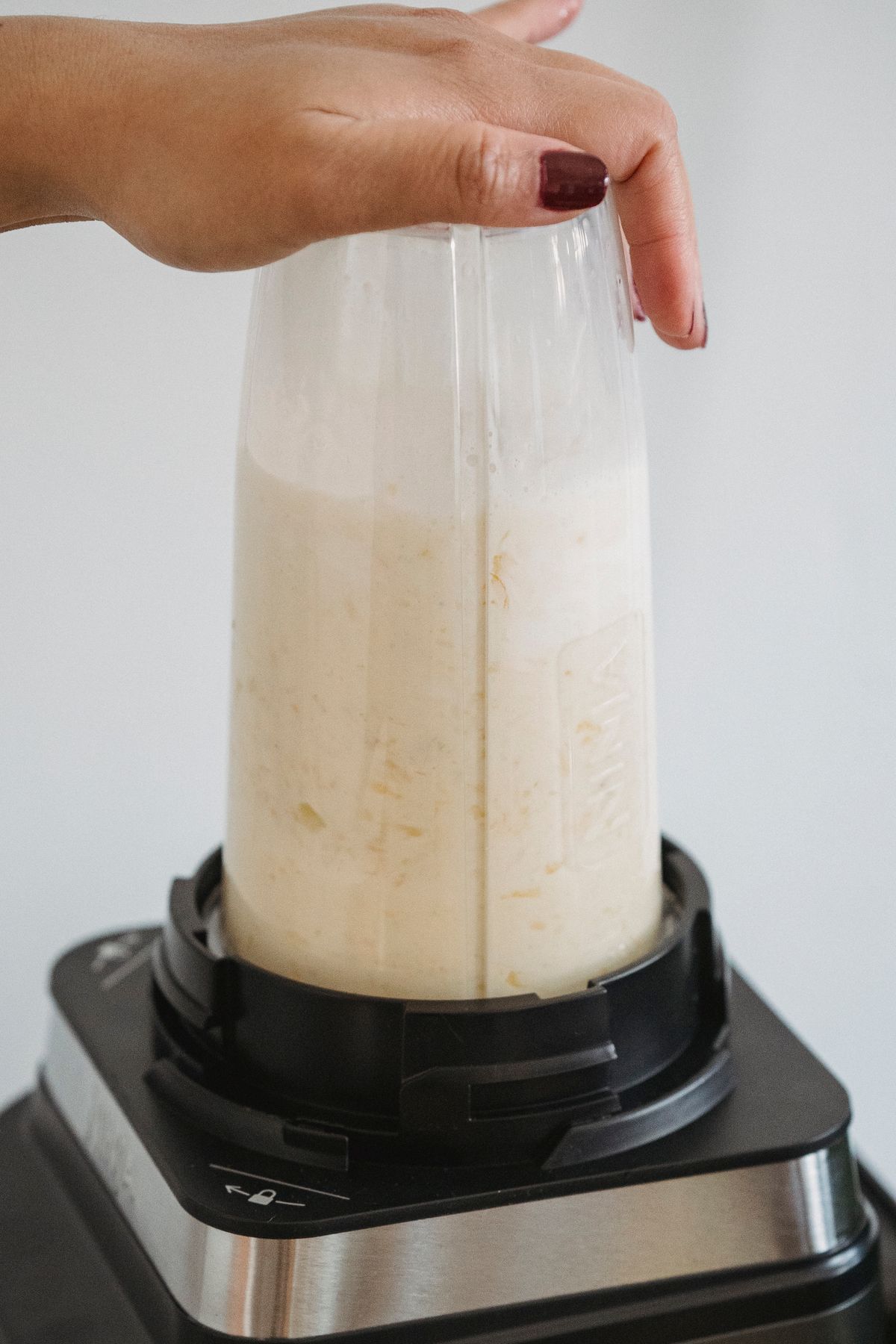
Milkshake residue is easier to remove while fresh. Empty the jug, then rinse it as directed using water at a suitable temperature for the container. Do not shock a very cold glass jug with boiling water.
Cocoa, biscuit starch and nut butter can stick beneath the blade assembly and around the walls. A quick rinse may remove the visible drink while leaving a film. Washing with an appropriate detergent and tool is still necessary.
Use a self-clean cycle only when allowed
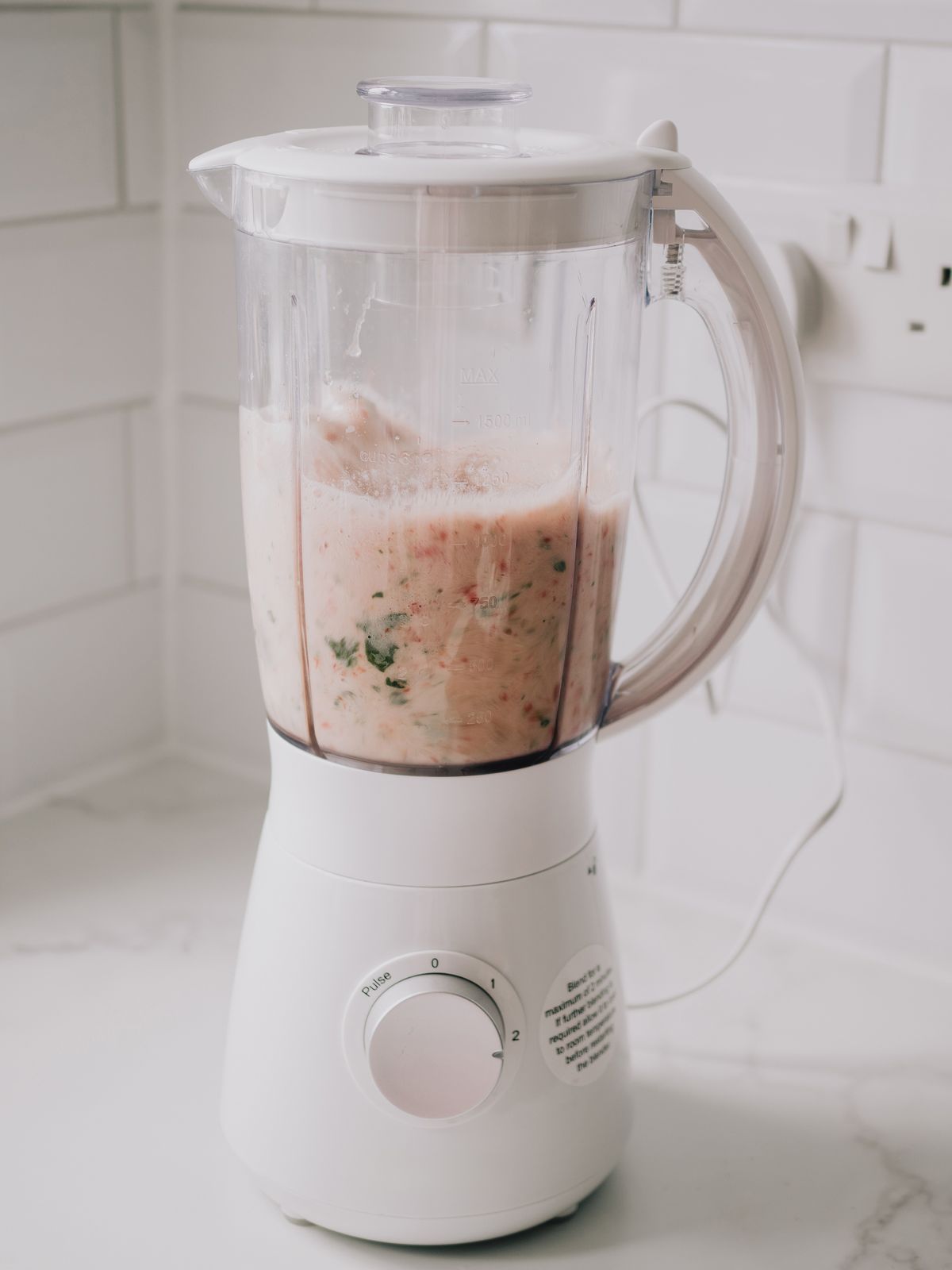
Some manufacturers recommend blending water with a small amount of washing-up liquid. Others provide a dedicated cleaning cycle. Follow the exact filling and temperature guidance rather than inventing a sealed-cup hot-water routine.
Do not overfill the container with foamy detergent. After any permitted powered cleaning stage, switch off and unplug again before opening or handling parts. Rinse thoroughly so the next drink does not taste of soap.
Pay attention to seals and lids
The underside of the lid, pouring spout, threads and removable gasket can collect dairy and small crumbs. Inspect these areas rather than checking only the transparent walls of the jug.
Remove seals only where the manual permits it, noting how they fit back together. A badly seated seal can leak on the next use. Let cleaned parts dry fully before reassembly if that is what the manufacturer specifies.
Do not immerse the motor base
The motor base contains electrical parts and is not a washing-up bowl component. Unplug it and clean the exterior according to its instructions, commonly with a lightly damp cloth rather than immersion or running water.
Wipe spills around controls and the area where the jug sits. Check that the base and connections are dry before the appliance is used again. A clean jug on a sticky base is only a partially cleaned setup.
Treat allergen residue seriously
Peanut butter, milk and other ingredients can remain in small crevices. A rinse or brief blending cycle should not be advertised as making equipment allergy-safe. Follow the relevant allergy precautions for the person being served.
If a household uses dedicated equipment for an allergy, keep that separation rather than assuming visible cleanliness is enough. Cleaning for ordinary food residue and managing allergen cross-contact are related but not identical tasks.
Finish with a visual check
Before putting the blender away, look for trapped crumbs, oily films and moisture beneath removable parts. Use a suitable brush rather than fingers around sharp blades. Replace worn or damaged components according to the manufacturer.
A short clean immediately after serving is usually easier than soaking dried milkshake residue later. Prepare the drink, enjoy it, and clean before the sticky film has time to harden.
Keep the cleaning tools clean too
A brush used for the jug should itself be washed and allowed to dry rather than left soaking in dirty water. Replace a worn brush that no longer reaches crevices effectively. Avoid abrasive tools that the manufacturer warns may scratch plastic or damage coatings.
Drying matters because moisture trapped beneath seals can create an unpleasant smell between uses. Store components in the arrangement recommended for your machine, and inspect the jug before the next recipe rather than discovering old residue after adding fresh milk.