Prepare fruit as you would eat it
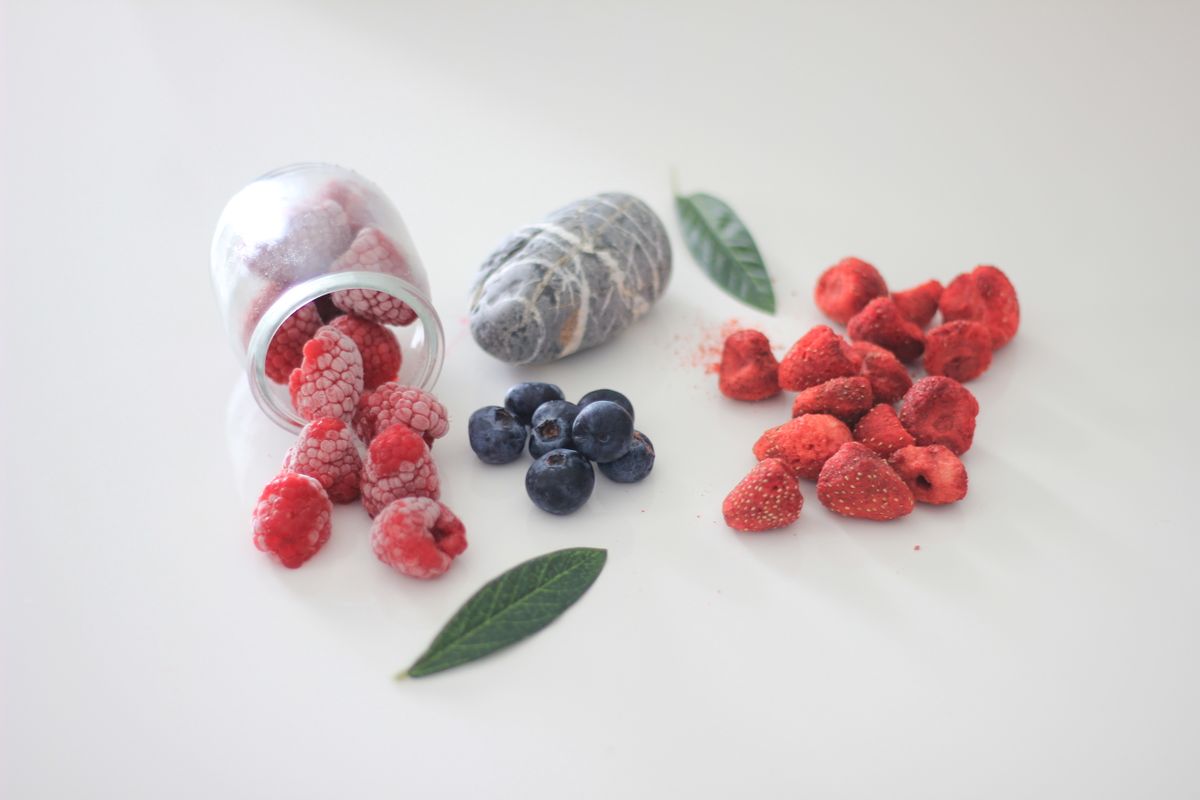
Choose sound fruit and remove unsuitable bruised or damaged parts. Wash where appropriate, then dry it well. Peel bananas, remove mango stones and cherry stones, and trim strawberry tops before freezing.
Freezing does not turn spoiled fruit into good ingredients. It pauses deterioration rather than reversing it. Work with fruit you would be happy to use now, not produce that has already developed mould or an off smell.
Cut pieces for the machine you own
Banana coins, small mango cubes and halved large strawberries are easier for a domestic blender than whole fruits. There is no need to create perfectly identical pieces, but avoid a mixture of tiny bits and one very large hard chunk.
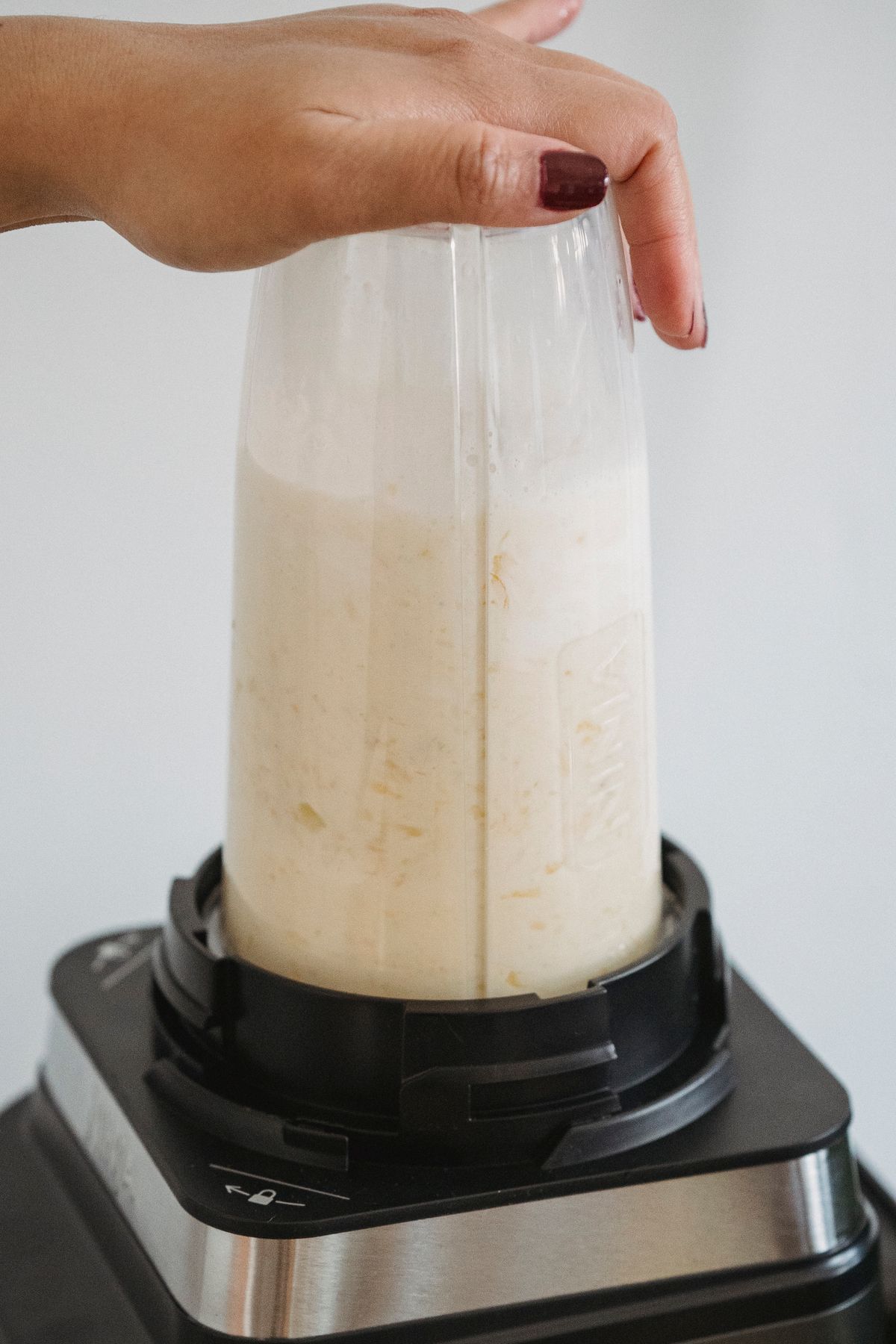
Check whether your blender is rated for frozen ingredients. Freezing fruit into small pieces improves handling but does not make unsuitable equipment safe. A low-powered machine may need fruit partially softened before blending.
Freeze in a single layer first
Arrange prepared pieces on a tray lined with a freezer-suitable sheet, leaving a little space between them. Freeze until firm, then transfer to a suitable sealed container or freezer bag. This reduces the chance of one inseparable block.
The first stage takes several hours depending on the fruit and freezer. Keep the tray level and away from uncovered raw food. Do not leave fruit exposed indefinitely, because it can dry out or pick up freezer smells.
Label with useful information
Write the fruit, prepared weight and freezing date on the container. A 120 g portion of banana is more useful for a recipe than a bag described only as 'one banana', because fruit size varies.
Press excess air from a bag where practical and close it well. Smaller recipe-sized portions reduce repeated handling. Follow reliable storage guidance for the fruit and your freezer, and use older portions first rather than treating freezing as unlimited preservation.
Use the fruit thoughtfully
Frozen fruit contributes cold mass and water. Replacing fresh fruit with frozen may make the first blend thicker, but as the pieces melt the water remains. Start with the recipe's lower liquid quantity and adjust by tablespoons.
Allow hard pieces to soften slightly if the blender struggles. Do not use a knife to break a solid frozen block while holding it in your hand. Separately frozen portions avoid that awkward situation in the first place.
Respect purchased fruit instructions
Commercial frozen fruit may carry specific preparation directions, including a requirement to cook. Follow those directions even when making a cold drink; cool any cooked fruit completely before blending.
Home freezing is not a sterilising process either. Use clean utensils and containers, keep preparation organised and avoid assuming that frozen fruit has no food-safety considerations. The purpose of this method is convenient portioning, not eliminating the need for ordinary food hygiene.
Do not confuse thawing with rinsing
Running warm water over frozen fruit may soften the outside quickly while leaving hard centres, and it introduces unmeasured water. A short controlled softening period in a suitable container is easier to account for. Keep any released fruit juice with the measured portion unless the recipe specifically says to drain it.
If fully thawing fruit in advance, follow appropriate refrigerated thawing and storage guidance rather than leaving it on the counter for hours. The best approach for a shake is often to prepare small pieces originally, so only modest softening is needed before the machine can handle them.