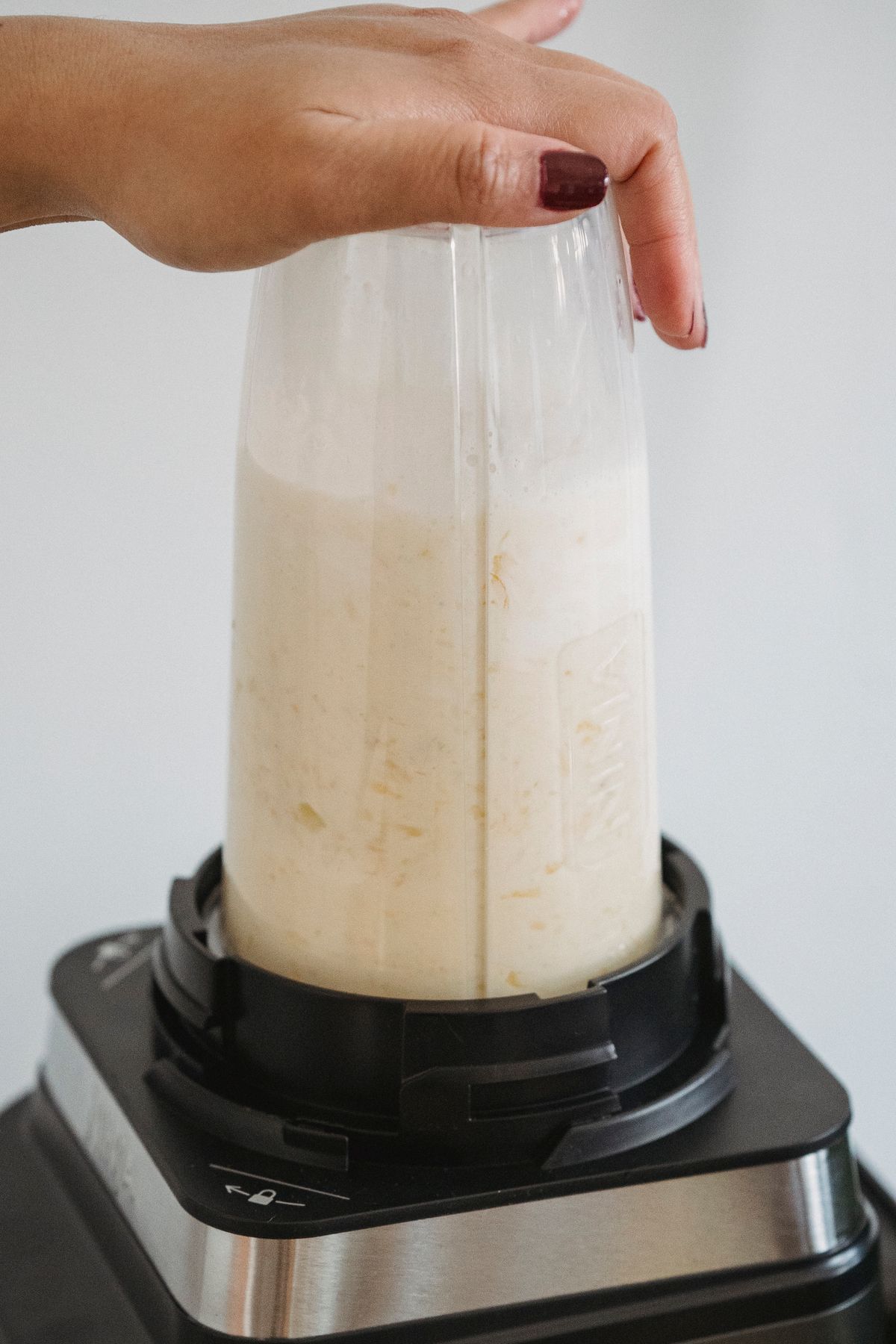
Decide what the original ingredient does
Milk supplies liquid and some richness; ice cream supplies sweetness and frozen structure; fruit contributes flavour, water and solids. A successful substitution accounts for those jobs rather than matching only the colour of the ingredient.
Replacing milk with a thick yoghurt, for example, changes both acidity and flow. Replacing ice cream with milk removes much of the frozen body. These can create good drinks, but they are new variations rather than guaranteed one-for-one equivalents.
Changing the liquid
Whole milk, semi-skimmed milk and plant drinks differ in richness, sweetness and flavour. Start with the same measured quantity when replacing the liquid, then adjust only after the first short blend.
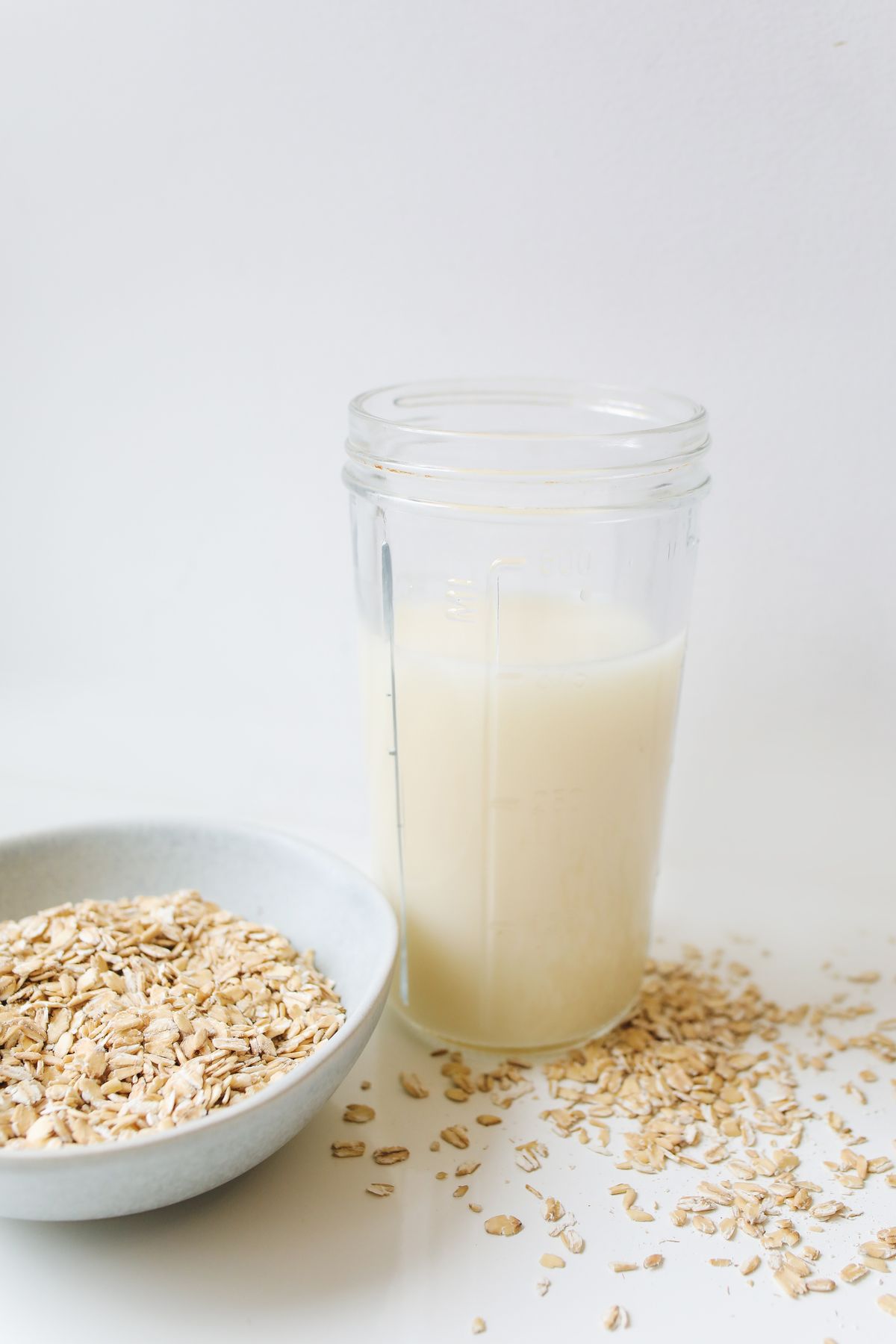
Unsweetened plant drinks make sweetness easier to control, but their flavour still matters. Coconut can become a main flavour, while some oat drinks have a noticeable cereal note. Read the label and choose a drink you would enjoy with the other ingredients.
Changing the frozen base
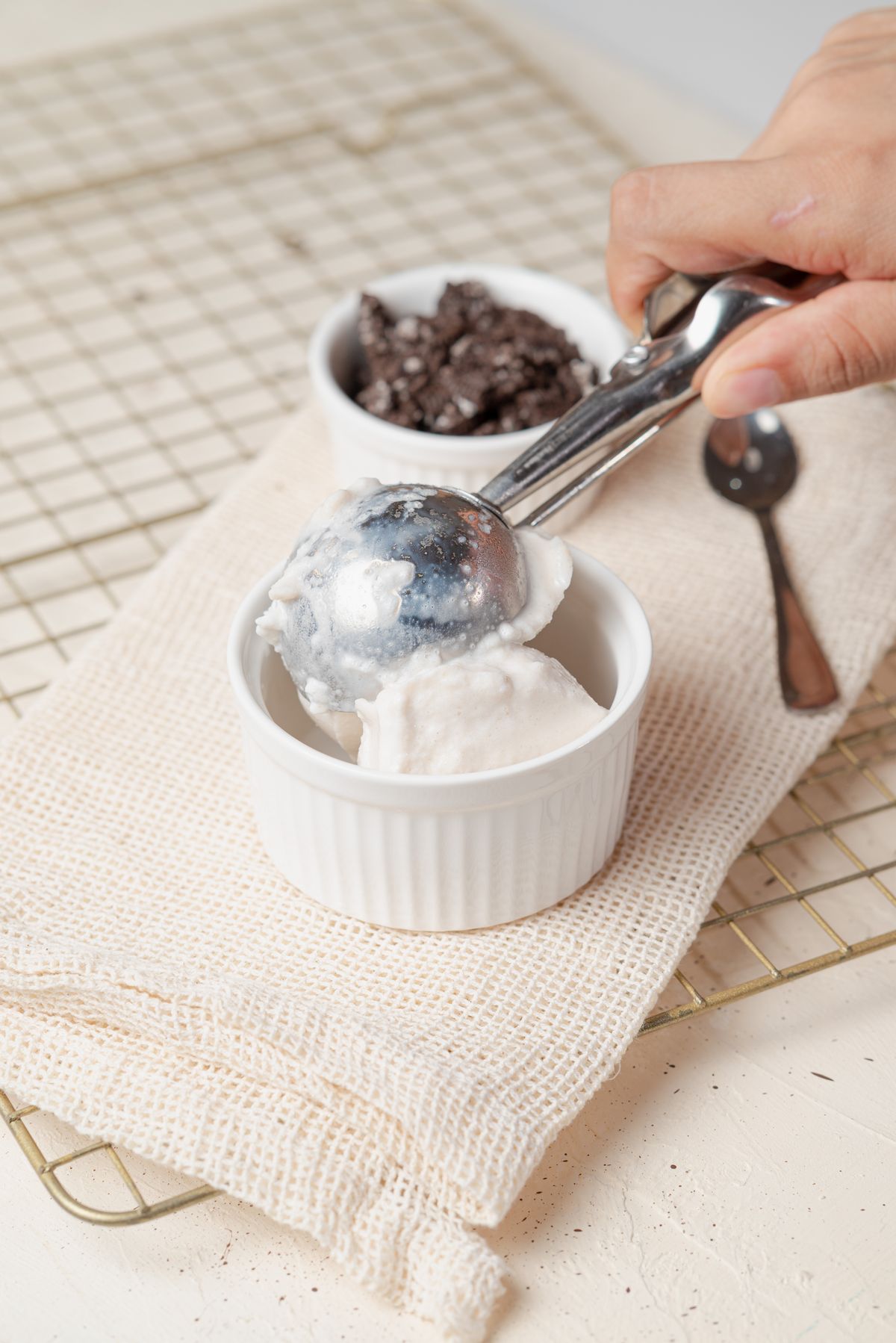
A dairy-free frozen dessert can replace dairy ice cream when appropriate, but products soften differently. Some are dense, some aerated, and some become very soft quickly. Use a scoopable cue rather than a fixed waiting time.
Frozen banana supplies body but does not taste neutral. It also changes the recipe's sweetness and makes it more fruit-led. Replacing all the ice cream with banana is a useful separate style of drink, not the same vanilla shake with an invisible swap.
Changing sweeteners and spreads
Syrup dissolves easily but adds liquid, while granulated sugar needs time to disperse. A thick caramel spread may behave differently from a pourable caramel sauce. Add small quantities and check texture as well as flavour.
Nut butter and sweet nut spread are also different ingredients. A spread may contain sugar, milk powder and added fats alongside a smaller proportion of nuts. Read the composition before assuming the same weight gives the same result.
Changing fruit
Berries, bananas and mangoes do not contribute equal amounts of body. Substitute prepared weights as an initial guide, but hold back some milk when using particularly juicy fruit. Add more only if necessary.
Consider preparation too. Cherries need pitting, some berries benefit from straining, and some frozen products require cooking according to the packet. A substitution can therefore change the method and total time, not just the shopping list.
Allergy suitability is a separate check
A plant drink does not make a recipe dairy-free if the ice cream or chocolate still contains milk. A gluten-free biscuit does not address nuts in a spread. Check every ingredient, topping and relevant preparation surface.
When cooking for someone with an allergy, follow their established requirements and product guidance rather than relying on broad category names. The practical question is whether this complete version is suitable for that person, not whether one ingredient has a reassuring label.
Write down the successful version
A useful note records the actual product type and measured quantities: for example, unsweetened oat drink and a scoopable oat-based vanilla dessert. 'Used dairy-free things' is too vague to reproduce the result because products within that category differ substantially.
Once the new version works, give it its own ingredient list and method. That prevents later confusion over whether a quantity refers to the original or substituted ingredient. It also makes serving information and allergen checks more straightforward when someone else follows the recipe rather than watching you make it.