Start with the actual yield
A recipe's serving count describes portions, not an exact glass size. Ice cream contains varying amounts of air, and blending changes that volume. Before planning a gathering, check whether the stated two servings fit the glasses you intend to use.
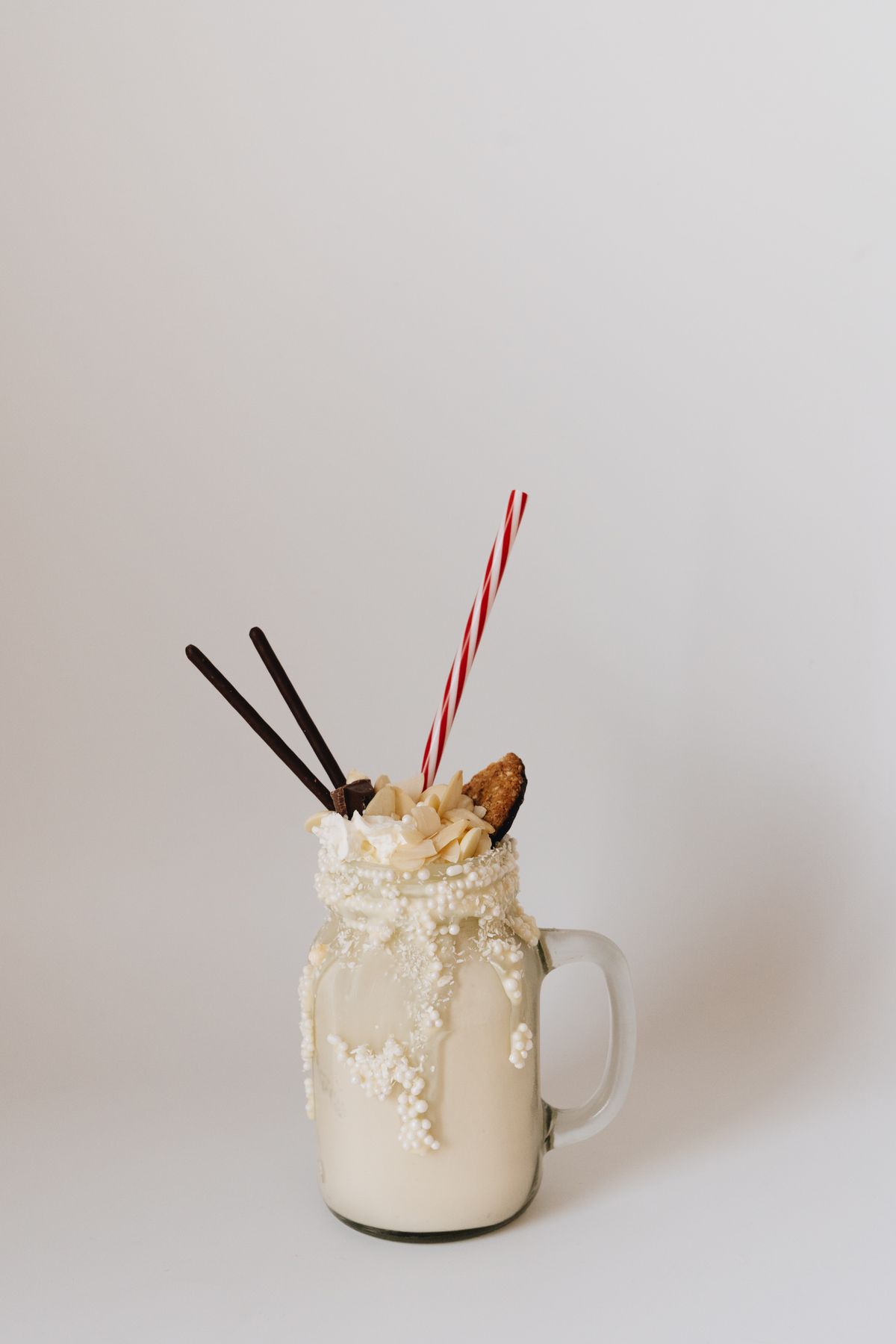
For a rich dessert shake, smaller glasses can be more practical than large café-style vessels. Leave room for any topping rather than counting a brim-full glass as the target volume.
Scale weights and liquids together
To turn a two-serving recipe into four, double each base ingredient. Do not double only the ice cream and then guess the milk. The same applies to fruit, cocoa paste and nut butter: their proportions affect both flavour and movement in the blender.
Small seasoning quantities deserve caution. Doubling a tiny pinch is imprecise, so add flavourings such as peppermint extract or salt gradually and taste. Strong extracts vary between products and are easy to overuse in a larger jug.
Capacity is not only a fill line
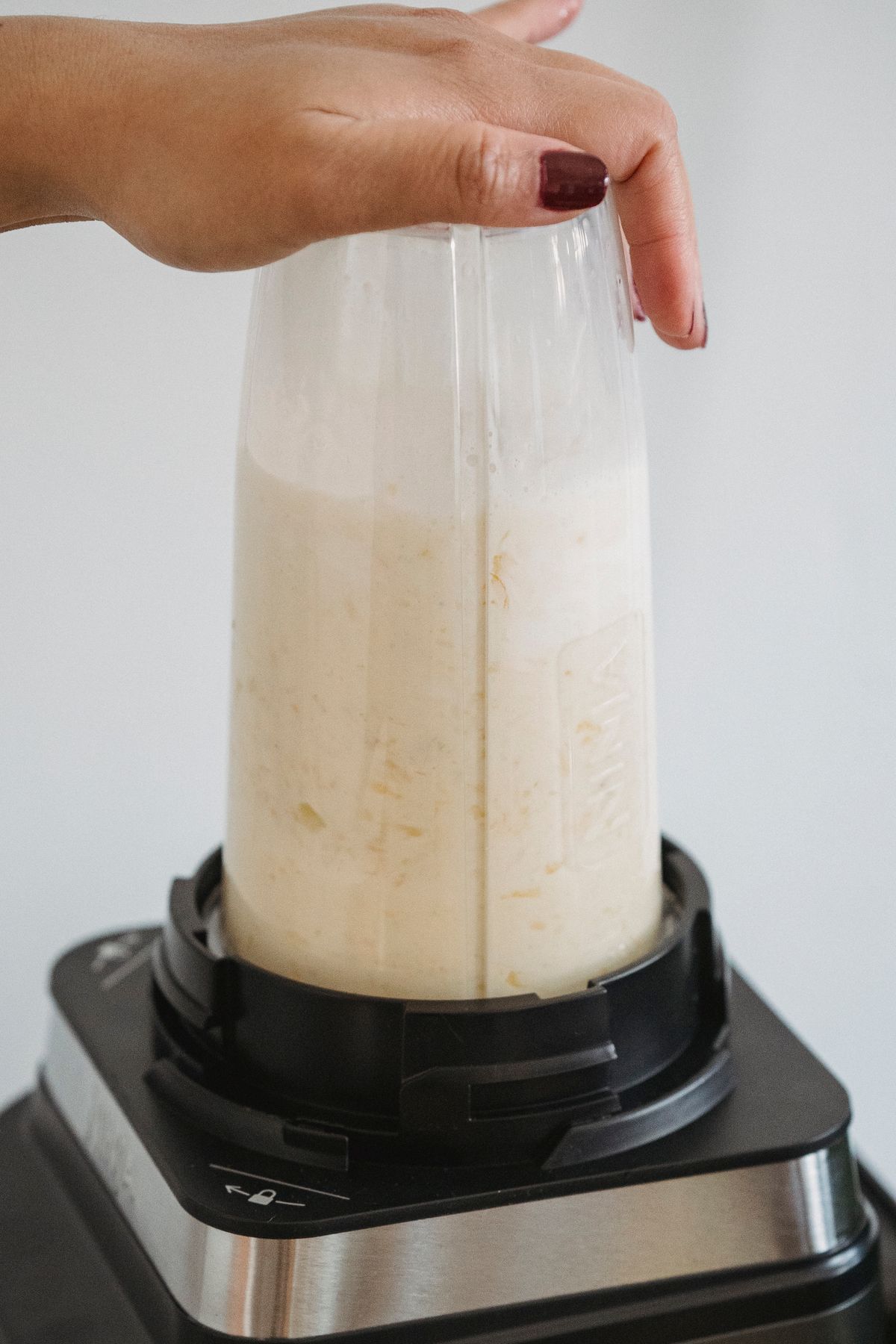
A thick mixture needs room to circulate. A blender filled to its maximum line with frozen scoops may struggle even though it technically fits. Follow the machine's instructions for thick or frozen mixtures, which may use a lower working limit.
For four drinks, two separate two-serving batches are often easier than one crowded batch. Measure each batch into separate containers so you do not accidentally use most of the milk in the first and leave the second dry.
Prepare components, not finished shakes
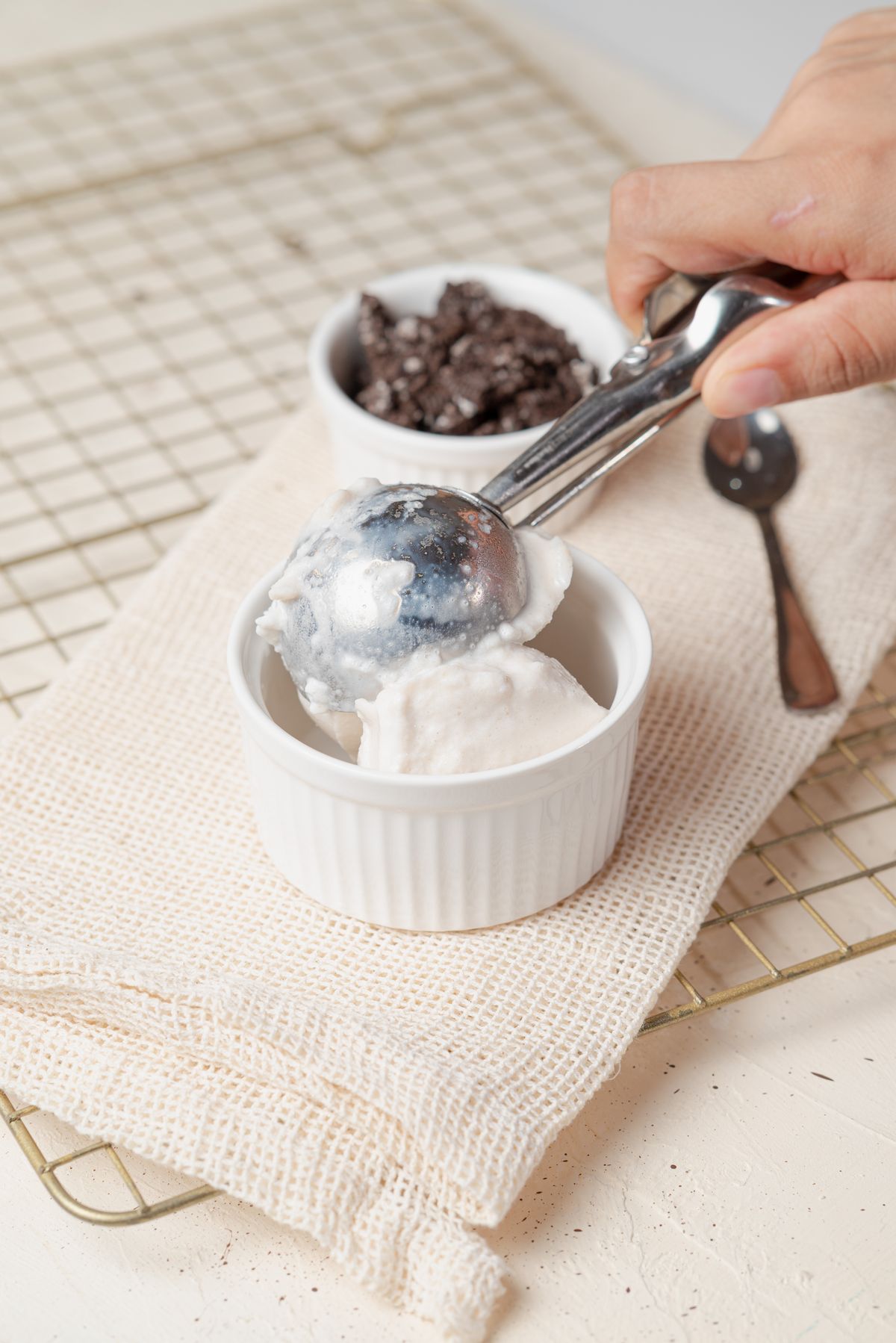
Wash and portion fruit, crush biscuits and measure flavourings before bringing out the ice cream. Keep dairy and prepared fruit chilled until needed. Dry toppings can wait separately in covered bowls.
Do not blend every drink an hour early and expect the original texture to remain. The frozen structure changes as the ice cream melts, even in the fridge. Prepare components ahead and reserve the final blending for close to serving.
Make the serving sequence clear
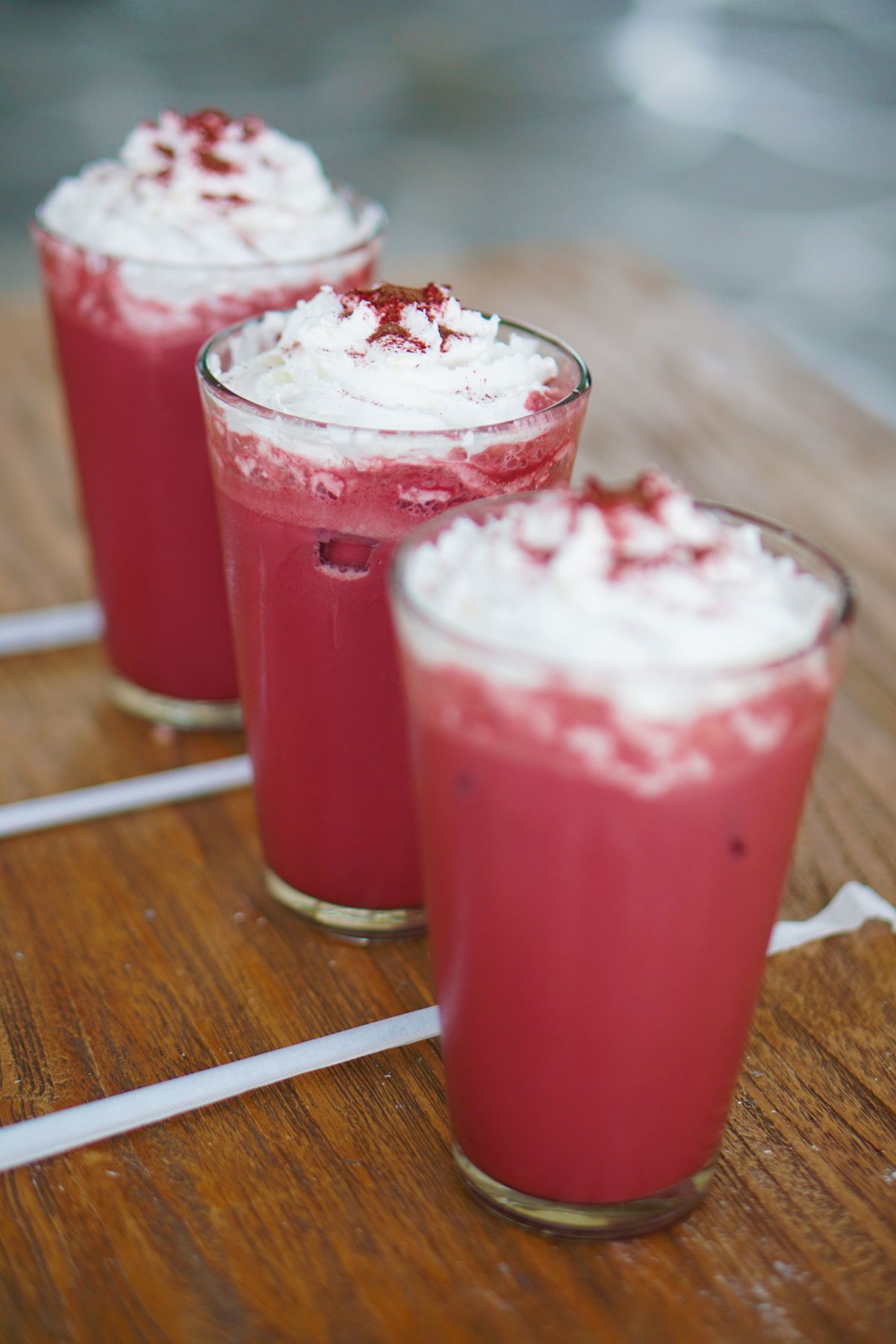
Set glasses, spoons and napkins out first. Blend one batch, pour it, and add quick toppings while another batch's ingredients remain cold. If a helper is available, one person can finish glasses while the other blends.
Avoid leaving the main ice cream tub open on the counter throughout the process. Portion what you need and return the rest to the freezer. A cold working setup is more important than elaborate decorations.
Plan for different dietary needs
Separate recipes may be necessary for people avoiding dairy, nuts or other ingredients. Merely omitting a visible topping does not remove an allergen blended into the base or left on shared equipment.
Label or otherwise clearly identify different versions at serving. Do not make a claim such as dairy-free based only on the liquid: the ice cream, sauce, biscuit and preparation method all matter. When requirements are important, ask the person what is suitable rather than guessing.
Avoid accidental overproduction
Making an extra full blender 'just in case' can leave a large quantity of melted dairy drink. It is often easier to reserve cold ingredients for another small batch and blend only if someone wants more. The unblended components usually retain their intended quality better than a completed shake.
When testing glass sizes, water can help estimate capacity, but it does not predict the exact volume of a blended ice-cream mixture. Use that estimate to choose suitable vessels, then allow a little headroom and divide the actual drink evenly. Do not force an exact millilitre yield by adding milk that the recipe does not need.